
Smart image editing tools have been available to graphic artists for quite a few years now. Early on, Photoshop sped up image editing tasks like removing unwanted objects or backgrounds, smoothing out surface defects, and filling in missing details. Major changes, like a virtual wardrobe change in a portrait or swapping out the sky in a landscape, required multiple images and a series of cut-and-paste steps. Skillful manual retouching on multiple layers and masks made the patched-together images look seamless.
First Impressions: A mix of wonder and wasted time
Our first experiments in Photoshop’s recent AI-equipped Beta version were surprising in many ways. The ability to create new content in an existing image was (still is!) astonishing—fast, rich—and most impressively, consistent with the lighting and perspective of the existing image.
Still, it was an iterative process, and we often spent more time trying to get the results we wanted from AI than if we had edited the image manually. In many cases, I ended up abandoning AI versions in favor of traditional solutions that worked much better.
Learning the language of prompts
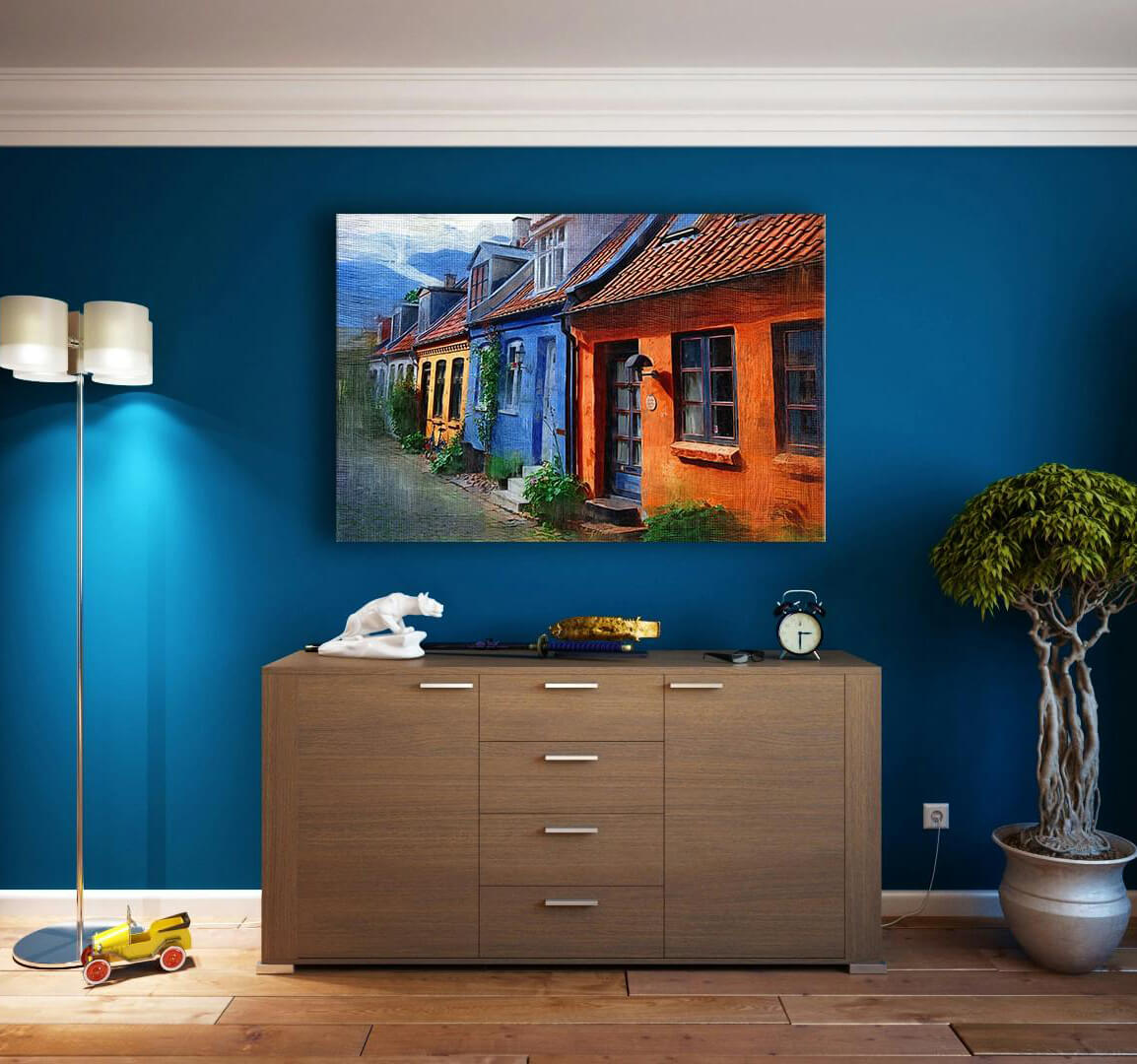
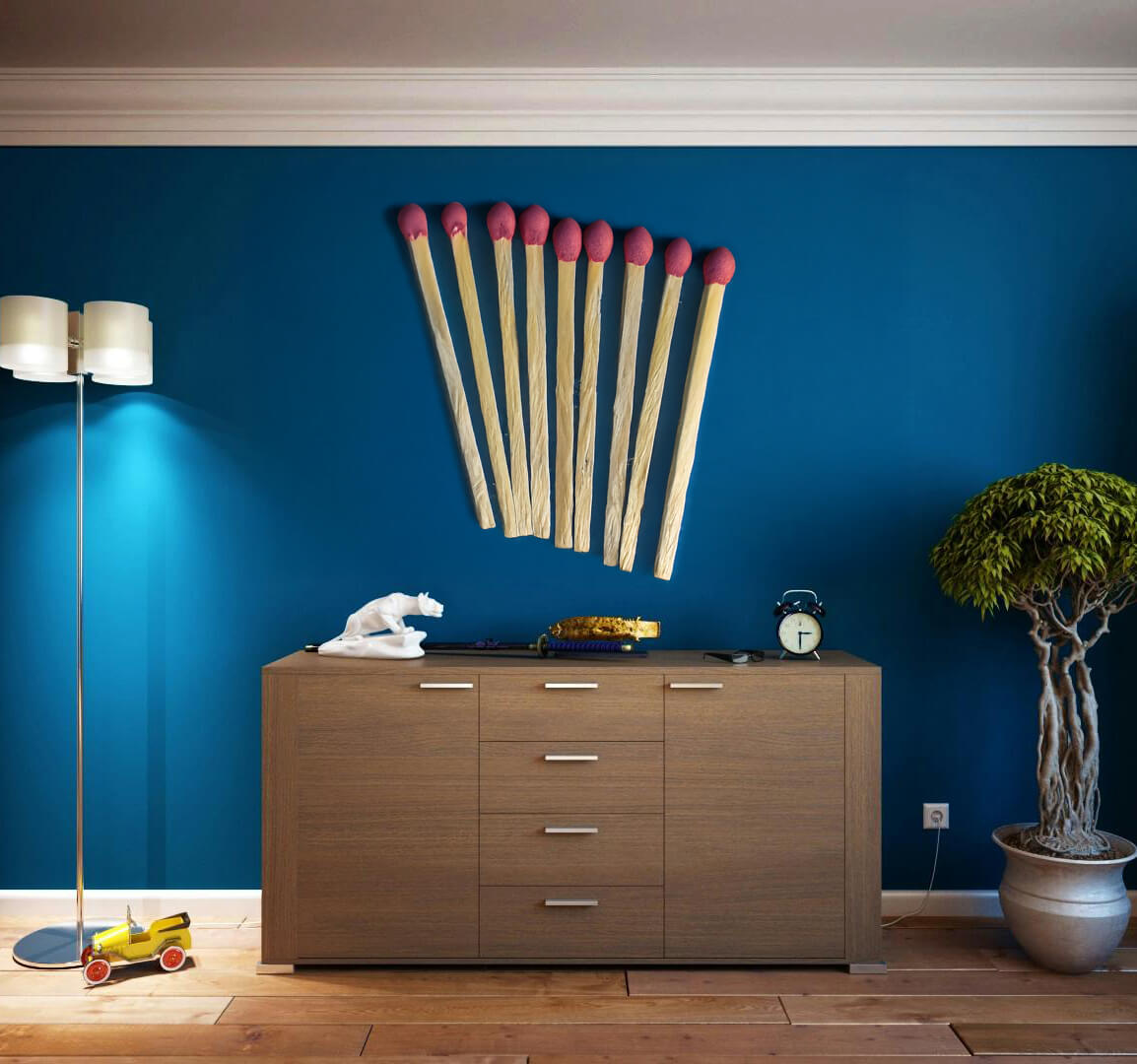
It seems to be improving, from the user side as well as within the AI tools themselves. On the user side, we are learning better ways to write the prompts. Funny story: In an early attempt to use AI to remove a framed painting from a background wall in an image of an office interior, I selected the art object I wanted to remove and prompted “match background.” Photoshop randomly placed wooden matchsticks across the wall.
It was funny not only because of the misinterpretation of the word “match,” but also because the matches were so oversized. They would have been four feet long in the context of the image, reminiscent of a Magritte painting in which unrelated, mismatched objects are paired.
Adobe did offer actionable advice which helped me understand what went wrong with this particular command—to use nouns instead of verbs in the prompt. But I have not found that suggestion to be useful across the board—often it is necessary, or at least helpful, to include verbs (like add, duplicate, or replace) in the prompts.
When AI gets a little too creepy
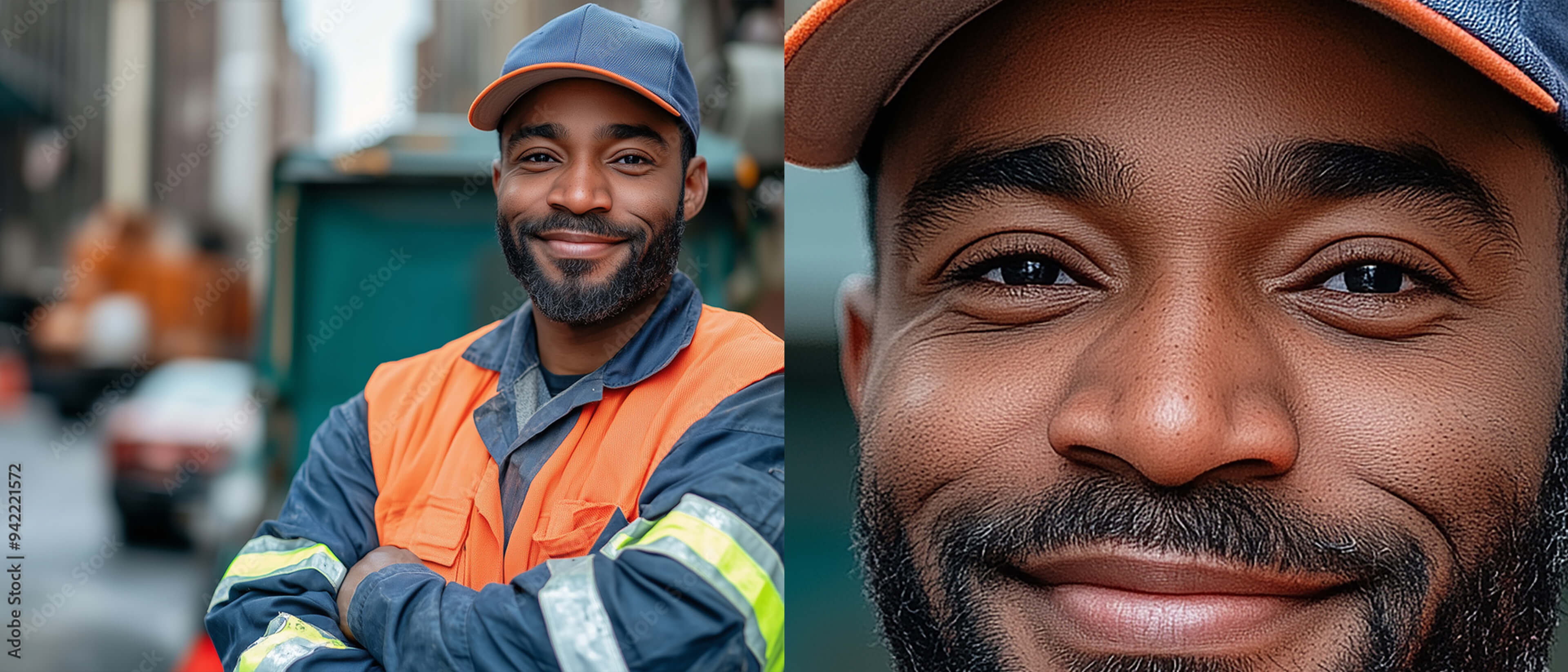
What I find REALLY creepy is the effect of AI on stock images—especially where humans are our subjects. Most of these are easy to weed out, but others are not so obvious. We found the perfect image to celebrate the service of a municipal worker in a full-page journal ad. The background was relevant, the composition was great, and the subject had a natural-looking smile that was warm as the noonday sun. But when we downloaded the high-resolution version as required for a large print image, that friendly face became weird and alien.
A human touch still matters
If I had not been retouching human faces manually for decades already, I may not have known quite why the high-resolution version of the municipal worker image was so weird. But I’ve spent years looking at portraits closely enough to read every pore, every hair, every line on a human face. And the details are different at the forehead compared to the cheeks. There is “grain” or directional orientation to the surface of skin, and hair follows the contour of a face in subtle, inconsistent ways. So in this case I spent a little time softening some of the detail created by the AI-assisted author. Too much information!
Looking forward
AI is transforming Photoshop into a more powerful, versatile, and creative platform. As the technology evolves, the real magic will come from the interaction between human imagination and machine intelligence.
“…what is AI for? How are we using it to solve real problems and make lives better…? What is the thing that AI is leading us towards?”
“The thing that AI will get us to, hopefully, is a world where we waste less time. It’s not about displacing workers — it’s about making jobs better and easier, so we can focus on the human things we’re actually good at.”—Cortney Harding, AI & VR Strategist
Read Cortney’s article: What Comes After AI? August 7, 2025